One vendor for
every organic stream.
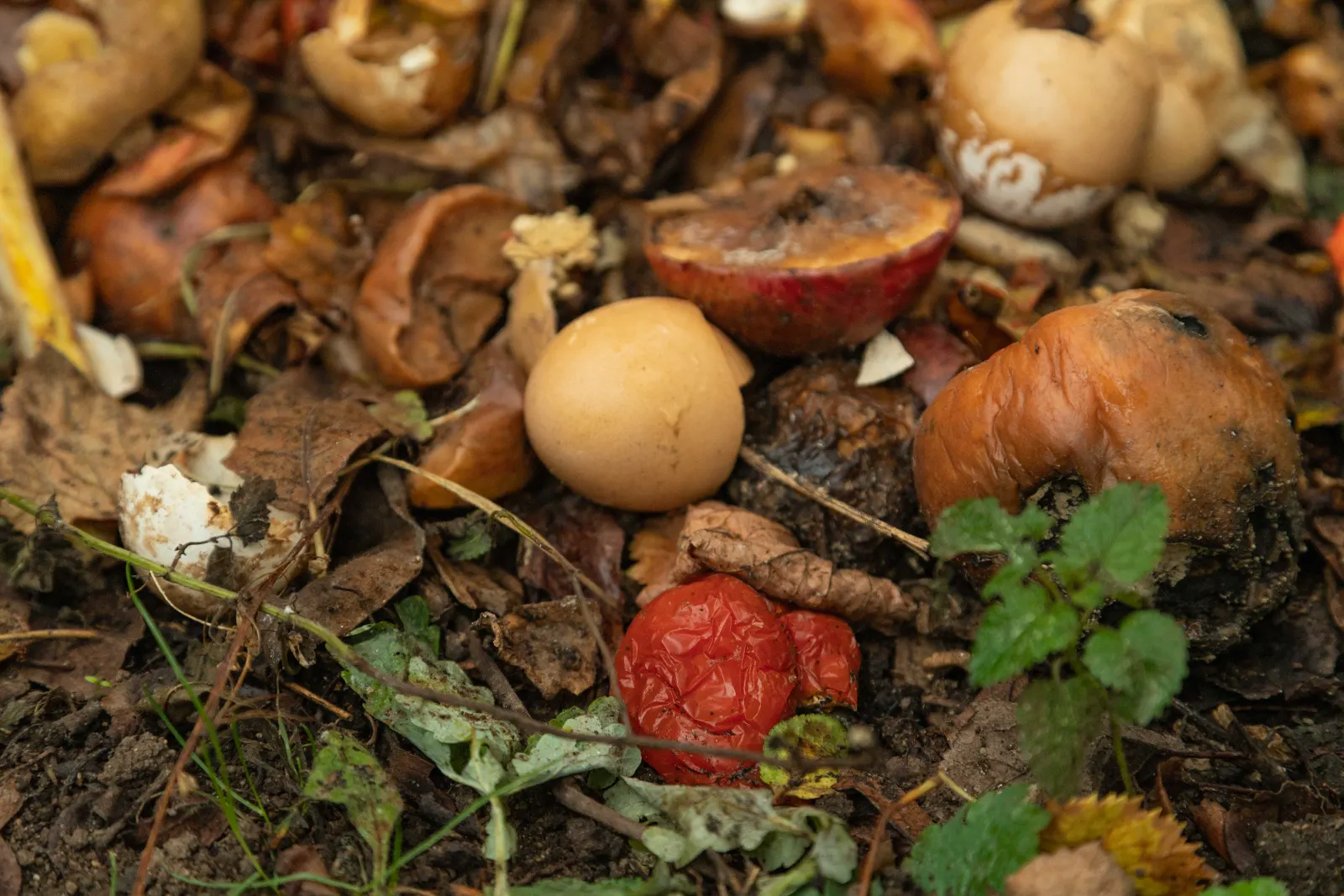
Happen Ventures runs organics and composting programs for grocers and food operations, taking the streams composters reject — bone, meat, packaged product — and proving where every load goes. We donate edible food and keep you SB 1383 compliant, typically for about 10% less.
The waste nobody else will take.
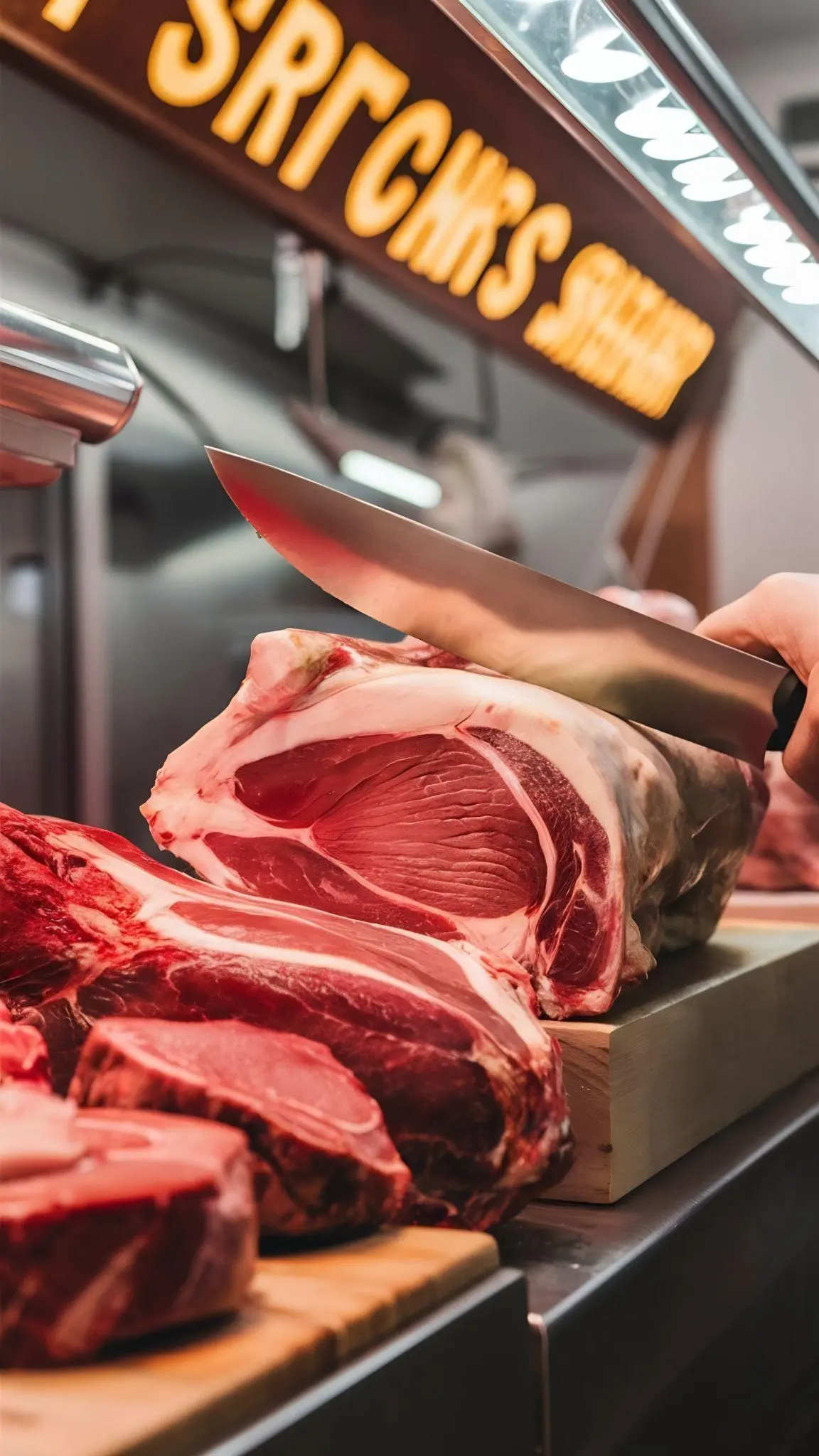
Meat trim, bone, cartilage, whole chickens, grease — the back-of-house streams haulers refuse and composters cherry-pick around. So it quietly ends up in the landfill, billed to you at premium "organics" rates.
We built the opposite. One stream, no rejections — routed to documented beneficial reuse, with the edible food recovered and donated along the way.
Everything this service covers.
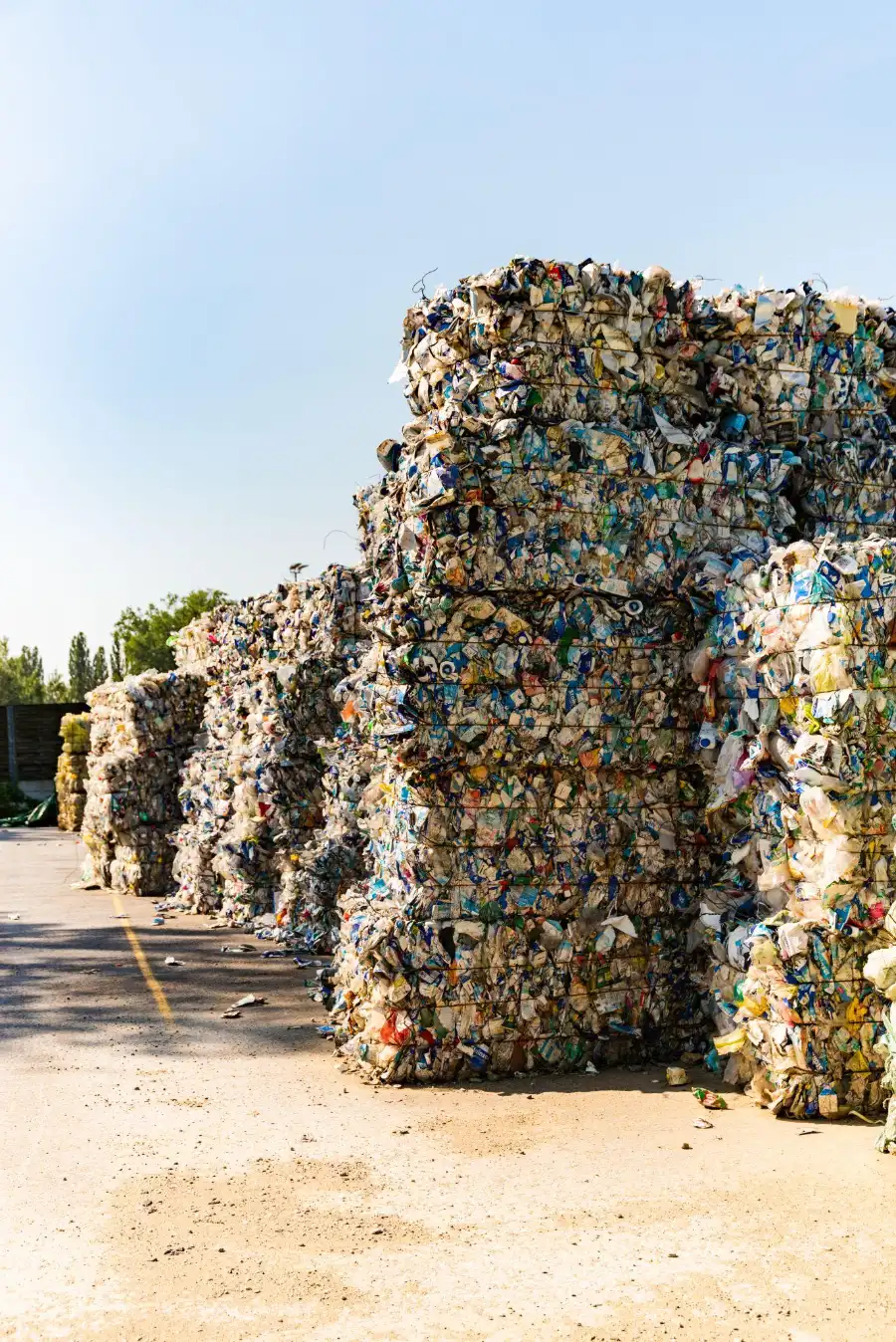
Most "organics" still ends up buried.
Same pickup. The difference is what we accept, where it actually goes, and whether you can prove it.
SB 1383 isn't optional anymore.
California requires grocers to divert organic waste and recover edible food — and annual Food Recovery Reports are now due. Other states are rolling out laws just like it. We handle the diversion, the donation, the depacking, and the documentation, so compliance stops being your problem and becomes a line item that saves you money.
Land small.
Expand on proof.
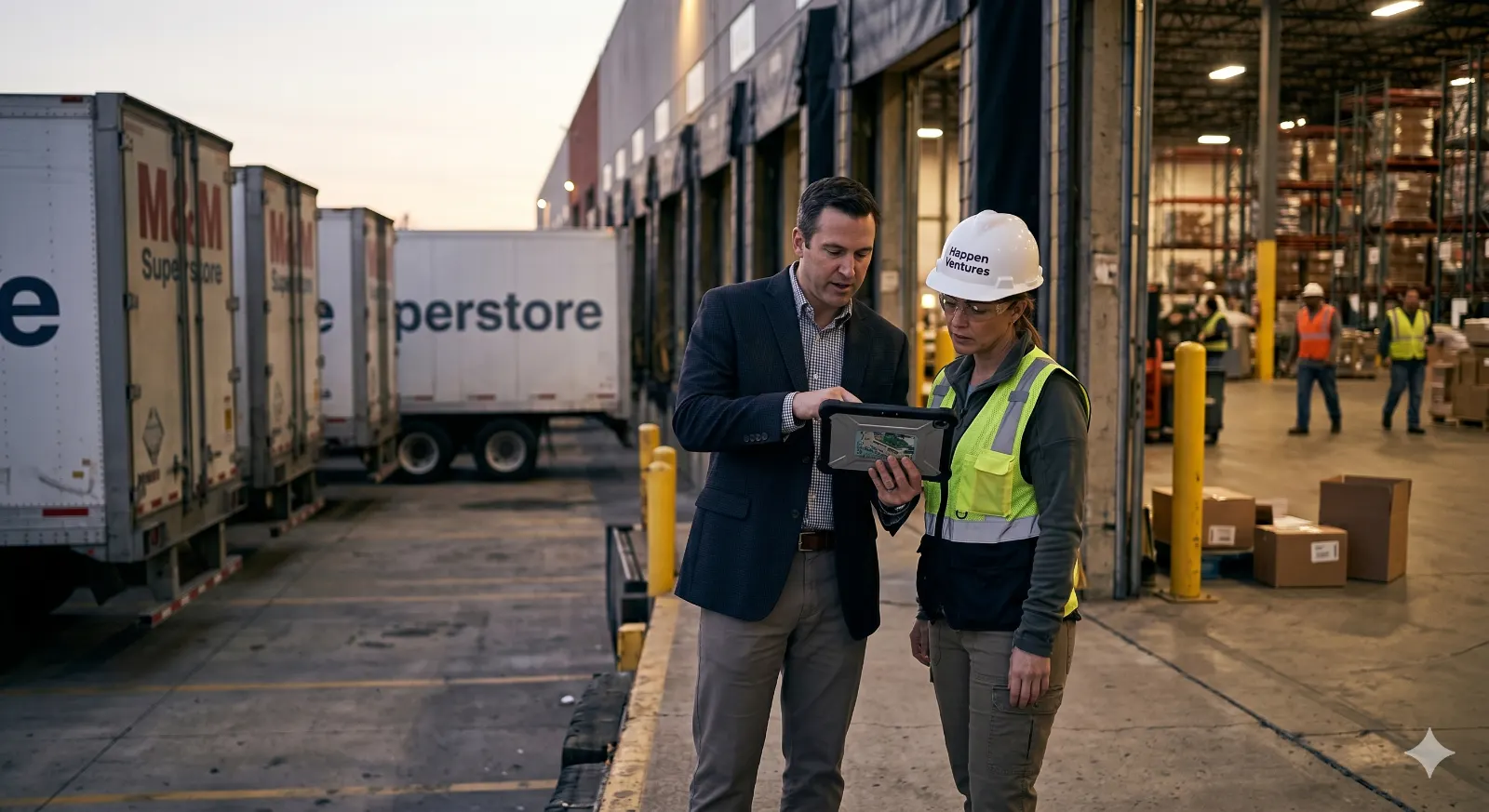
Start small — we set up a handful of locations and run them on your real back-of-house streams.
Documented diversion, weights, and CO₂ — verified before you expand a single site further.
Roll the program across the network on the strength of the proof, not a promise.

Common questions about organics & composting program
What organic materials do you accept?
Everything — including bone, meat, whole product, and packaged goods that composters typically reject. We depackage and route each stream to documented beneficial reuse.
Does this keep me SB 1383 compliant?
Yes. We handle organics diversion and edible-food donation with the documentation required for SB 1383 and similar state mandates.
What happens to edible food?
Edible surplus is recovered and donated to our nonprofit network with chain-of-custody records and tax receipts; the rest is composted or routed to beneficial reuse.
Is it more expensive than my current organics hauler?
Typically about 10% less, while diverting more and proving where every load actually went.
Find out what
you're leaving behind.
Send us your locations. You'll get a cost comparison and diversion plan back within the hour. No commitment.